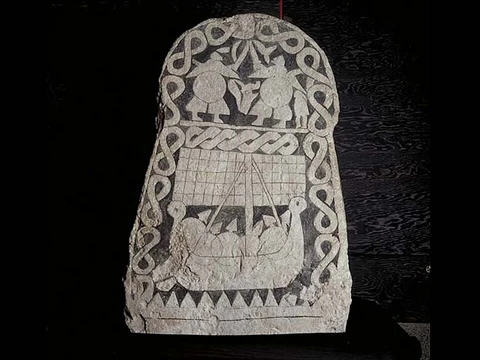
Bjorn Ironside
Norse Viking chief and Swedish king, son of Ragnar Lodbrok.

via Wikipedia: Björn Ironside · see source
Björn Ironside (Swedish: Björn Järnsida; Old Norse: Bjǫrn Járnsíða) was a Norse Viking chief and Swedish king according to Norse legend. He is attested in contemporary Frankish sources in 855 and 858, and later Scandinavian histories describe him as the son of the notorious Viking king Ragnar Lodbrok. Icelandic sagas claim Björn was the ancestor of the house of Munsö, the line of kings that ruled in Sweden until about 1060.
- born
- 9th century (exact date unknown)
- died
- After 858 (exact date unknown; later tradition places death in Frisia)
- field
- Viking chieftain, naval commander, Swedish king
- nationality
- Norse (Danish/Swedish)
- known_for
- Leading Viking raids in West Francia and the Mediterranean; son of Ragnar Lodbro
Lore & Background
Björn Ironside first appears in contemporary sources in the summer of 855, when he cooperated with another Viking named Sigtrygg and sailed up the Seine, raiding inland. Their combined forces were beaten in Champagne by Charles the Bald of West Francia, but not decisively. After Sigtrygg withdrew in 856, Björn received reinforcements and could not be expelled from the Seine area. He and his men wintered at Givold's Grave and plundered Paris around the new year 856–857. Björn constructed a fortification on the island of Oissel above Rouen, which he kept as his stronghold for years. He swore fealty to Charles the Bald in Verberie in 858, but it is not clear if he kept his pledge. Charles besieged Oissel in July 858, but the siege failed and was broken in September. After the meeting at Verberie, Björn's name disappears from contemporary sources.
Reader's Guide
Björn Ironside's significance lies in his role as a major Viking leader during the mid-9th century, attested in both Frankish annals and later Norse sagas. His raids in West Francia, including the plundering of Paris, demonstrate the reach and impact of Viking activity in the Carolingian empire. The Mediterranean expedition of 859–861, co-led with Hastein, extended Viking operations into southern Europe, including Italy and North Africa, though the account of capturing Luni in a ruse is disputed. Björn's legendary status as a son of Ragnar Lodbrok and ancestor of the Munsö dynasty links him to the foundation of a Swedish royal line that lasted until about 1060. The barrow on Munsö claimed to be his burial site reflects his enduring place in Scandinavian tradition, even as historical details remain uncertain.
Did You Know?
- Björn is first mentioned in contemporary sources in the summer of 855, cooperating with a Viking named Sigtrygg.
- He plundered Paris around the new year 856–857, using a winter base at Givold's Grave.
- The Mediterranean expedition of 859–861 lost 40 ships to a storm and 2 more to fire catapults at Medina-Sidonia, leaving only 20 intact.
- William of Jumièges records that Björn and Hastein captured Luni in Italy by faking Hastein's deathbed conversion to Christianity.
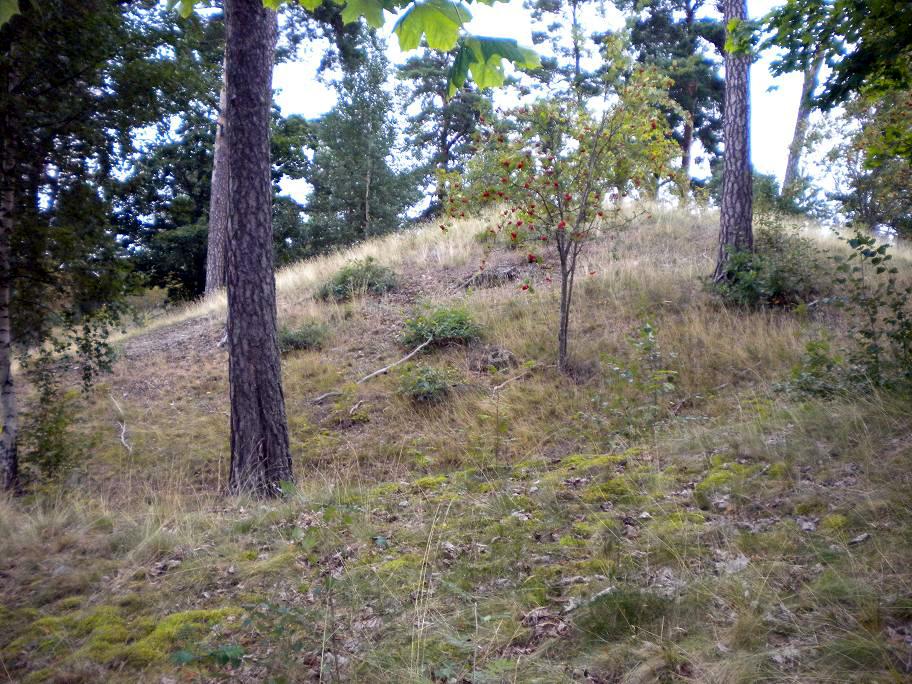
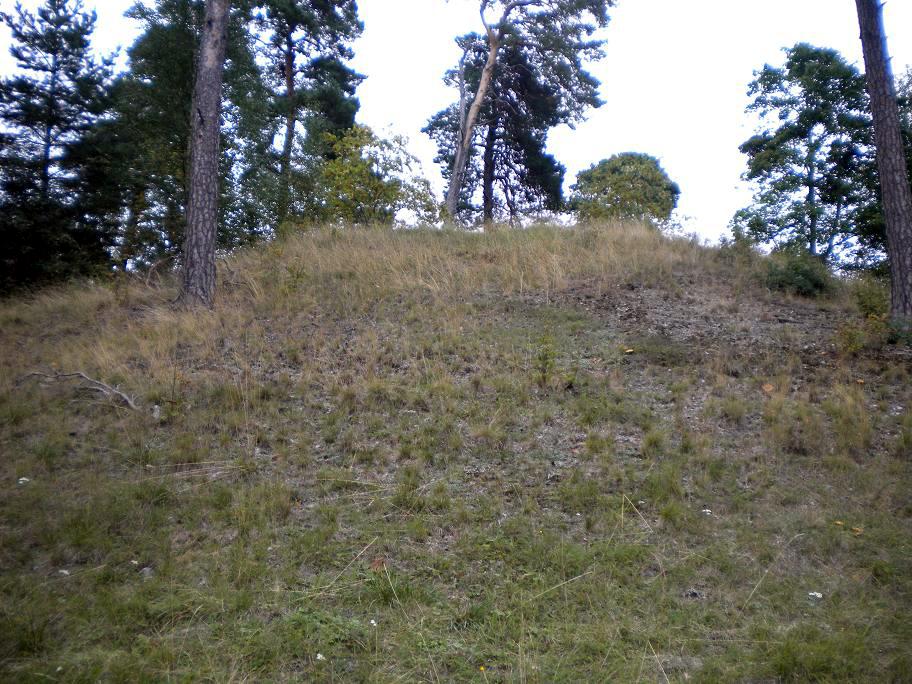
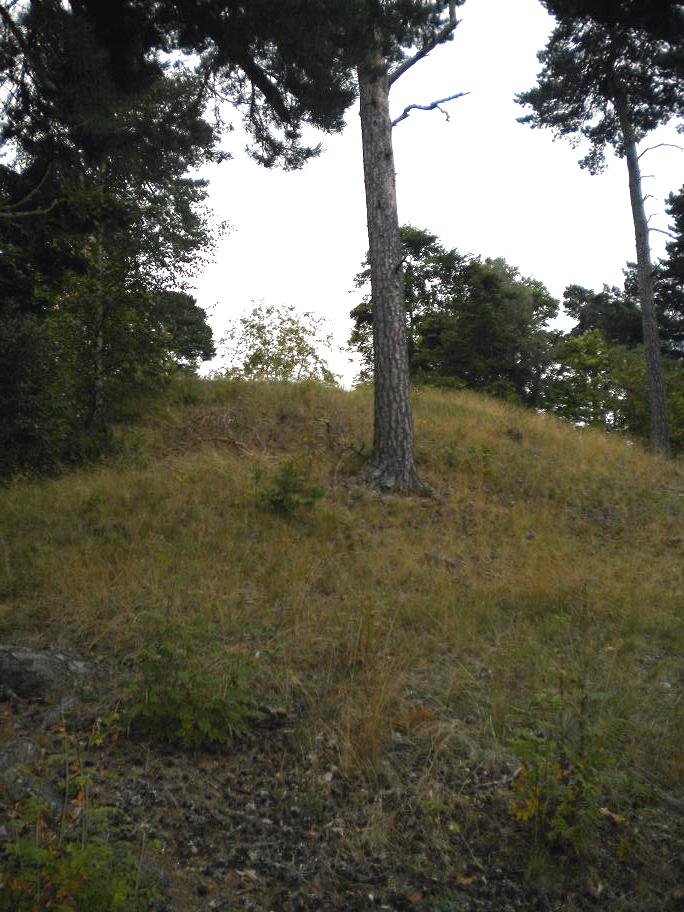
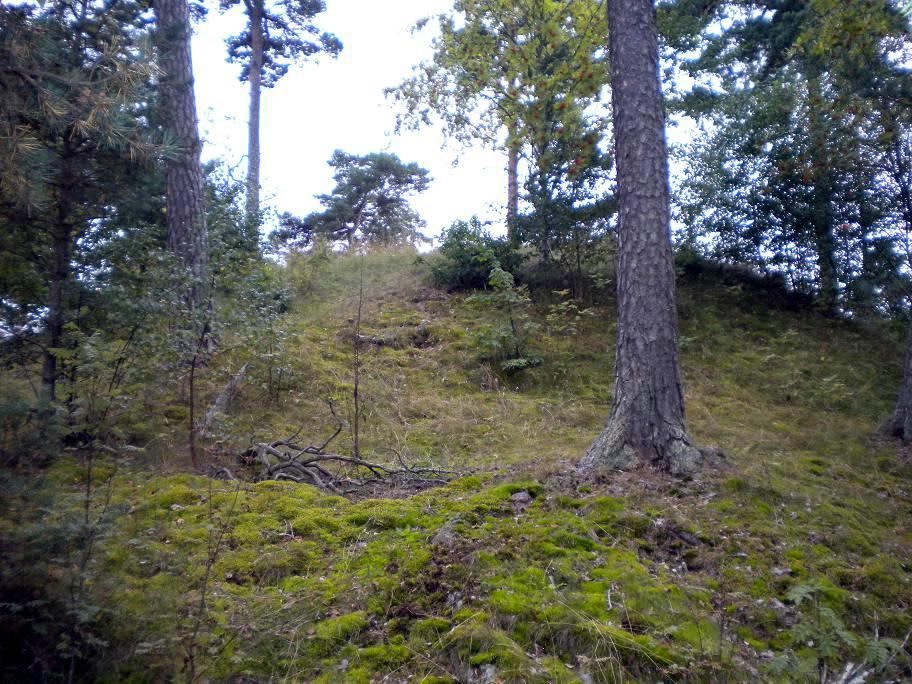
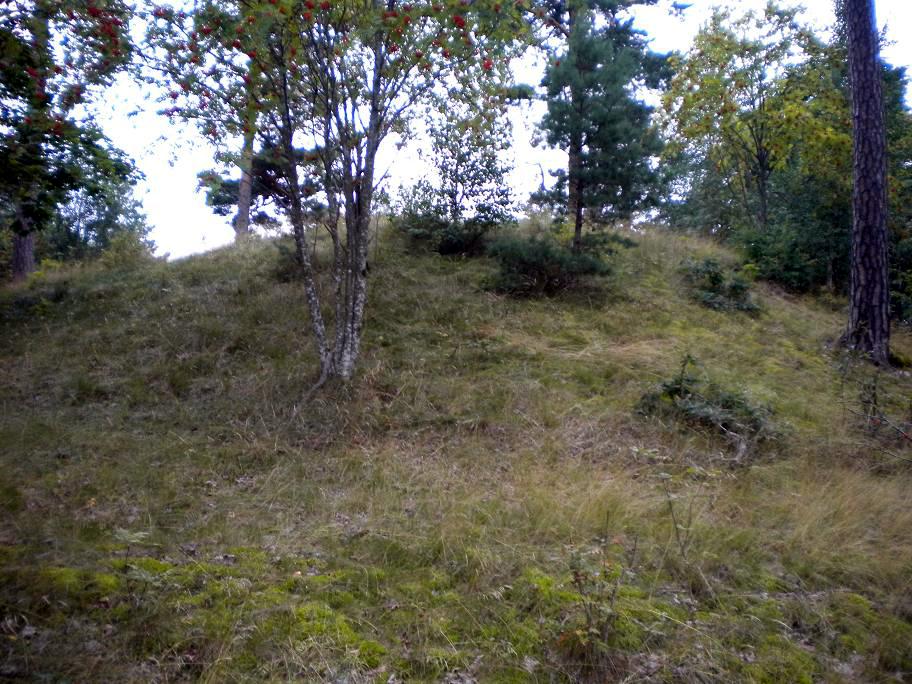
- In the early 18th century, antiquarians claimed a barrow on the island of Munsö was Björn Ironside's burial mound.
The Younger Son's Exile and the Seine Campaigns
Björn Ironside's story opens with a royal decree. According to William of Jumièges, writing around 1070, the Danes had a custom of sending younger sons of kings out of the realm to safeguard the reigning monarch's authority. When Ragnar Lodbrok took the Danish throne, Björn was ordered to leave. He departed with a considerable fleet and turned his attention to West Francia. His first appearance in contemporary annals falls in the summer of 855, when he and a fellow Viking named Sigtrygg sailed up the Seine and raided inland. Their combined forces clashed with Charles the Bald's army in Champagne that same year—a setback, but not a decisive one. Sigtrygg withdrew in 856, yet Björn received fresh reinforcements and dug in. He wintered at a site called Givold's Grave, using it as a springboard to plunder Paris around the turn of 856–857. He then raised a fortification on the island of Oissel above Rouen and held it as a stronghold for years. In 858 he swore fealty to Charles at Verberie, though whether he kept that pledge is unclear. Charles besieged Oissel in July 858, but the Vikings defended with such vigour—and Charles's brother Louis the German invaded from the east—that the siege broke down by September.
The Mediterranean Gambit
Between 859 and 861, Björn co-led a major Viking foray deep into the Mediterranean. Frankish, Arab, Irish, and Scandinavian sources all reference the expedition, which also involved Hastein and possibly one or more of Björn's brothers. The fleet swept down the Iberian coast, forced its way through the Strait of Gibraltar, and pillaged southern France before overwintering there. The following season they landed in Italy and seized Pisa, then scored victories in Sicily and North Africa. Yet the campaign took a heavy toll: a storm destroyed forty ships, and at Medina-Sidonia, Andalusian defenders used fire catapults in a surprise attack that burned two more, leaving only twenty vessels intact. William of Jumièges credits Björn as the expedition's overall leader and frames the narrative around his foster-father Hastein. The two even attempted to capture what they believed was Rome—actually the town of Luni—using a ruse of a feigned deathbed conversion to gain entry. Realizing their error, they turned back. Later, a Muslim prince in Spain hired them to seize King García Íñiguez of Pamplona for ransom. After the two parted ways, Björn was shipwrecked on the English coast and barely survived, eventually reaching Frisia, where William places his death.
Dynastic Memory and the Munsö Barrow
Long after Björn's name vanished from the Frankish annals, later Scandinavian traditions wove him into the fabric of Swedish kingship. Icelandic sagas positioned him as the founding ancestor of the house of Munsö, a royal line that, according to those texts, governed Sweden until roughly 1060. Medieval Scandinavian sources also reference his descendants by name, including his son Erik Björnsson and his grandson Björn at Haugi, anchoring him in a genealogical web that stretched across generations. In the early 1700s, antiquarians on the island of Munsö pointed to a burial mound and declared it Björn Järnsidas hög—Björn Ironside's barrow—giving the legendary figure a physical, if unverified, resting place. The 12th- and 13th-century Scandinavian histories that preserved his name as a Norse Viking chief and Swedish king thus bridged the gap between the sparse 9th-century Frankish records and the far richer saga literature of the 14th century and beyond, ensuring that Björn remained a touchstone for Swedish royal identity long after the events of his lifetime had faded from living memory.
A Figure Between Annals and Saga
Björn Ironside occupies a peculiar space in the historical record. Contemporary sources—the Annales Bertiniani and the Chronicon Fontanellense—call him 'Berno,' a powerful Viking chieftain and naval commander, and anchor his activity in the mid-850s. Yet the oldest text that actually explains his origins is William of Jumièges' Norman history, composed around 1070, more than two centuries after the events. William names him Bier Costae ferreae, son of King Lodbrok, and builds an elaborate narrative around his foster-father Hastein. The Fragmentary Annals of Ireland, from the early 11th century, offer a competing leadership account, crediting two sons of Ragnall mac Albdan, a chief exiled from Lochlann who had settled in Orkney. These contradictions create genuine scholarly difficulties: Hastein appears in contemporary records later than Björn, making the foster-father relationship chronologically awkward, and the identification of Luni with Rome raises questions about narrative reliability. The saga tradition, including the 14th-century Icelandic Ragnarssona þáttr, retold his deeds in yet another version, layering legend over the thin thread of annalistic evidence.
Common Misconceptions (Editorial)
1. Some believe Björn Ironside definitively kept his oath of fealty to Charles the Bald after their meeting in Verberie in 858, but contemporary sources leave it unclear whether he actually honored the pledge.
2. It is often assumed Björn was exclusively a Swedish king based on later sagas, yet contemporary Frankish records only identify him as a Viking chief active in West Francia, with no mention of any Swedish royal title during his lifetime.
Why It Matters (Editorial)
Björn Ironside endures as a figure who bridges the gap between semi-legendary Viking lore and verifiable history—his raids on Paris and the Seine basin mark a pivotal moment in the Carolingian empire’s struggle with Norse incursions. The uncertain line between saga and chronicle in his story reminds us that even the most famous Viking leaders are often remembered through a mix of fact, legend, and national myth-building.
Gallery

Frequently Asked Questions
Who is Bjorn Ironside?
Bjorn Ironside was a 9th-century Norse Viking chieftain and Swedish king, identified in Old Norse sources as Bjǫrn Járnsíða. He is best known as the son of the legendary Viking king Ragnar Lodbrok and is attested in contemporary Frankish records from 855 and 858.
What was Bjorn Ironside's role in Viking history?
He operated as a naval commander and Viking chieftain, leading raids through West Francia and into the Mediterranean. Scandinavian traditions additionally cast him as a Swedish king, though the precise scope of his political authority is debated.
How does Bjorn Ironside's story end?
His exact date and manner of death remain unknown, with surviving records only confirming his activity after 858. Later Scandinavian tradition places his death in Frisia, but no definitive account of his final days has come down to us.
Why is Bjorn Ironside important to Viking Age history?
He is one of the few Viking leaders confirmed by contemporary Frankish sources, giving him a firm foothold in documented history. Icelandic sagas further credit him as the ancestor of the Munsö dynasty, the royal line that held the Swedish throne until roughly 1060.
What is Bjorn Ironside's connection to Ragnar Lodbrok?
Norse legend and later Scandinavian genealogies identify Bjorn as the son of the infamous Viking king Ragnar Lodbrok. This parentage ties him to one of the most celebrated figures in Viking tradition, though the historical reliability of that familial link is uncertain.
More in The Viking Age 1-21
Spotted an error? Know more?
This is a living reference — every entry is fact-audited, and reader corrections feed straight into our audit queue. Suggest an edit · See this site's audit record