The longship
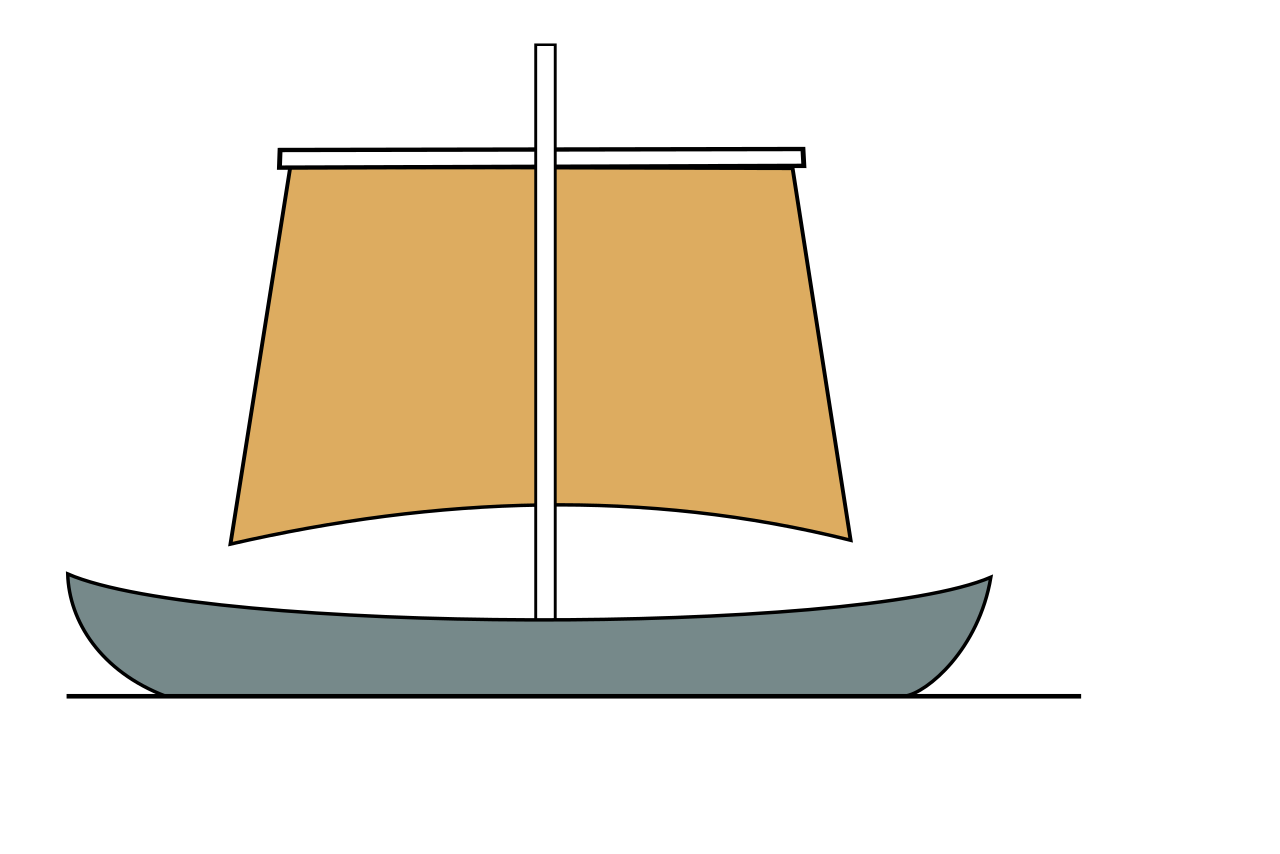
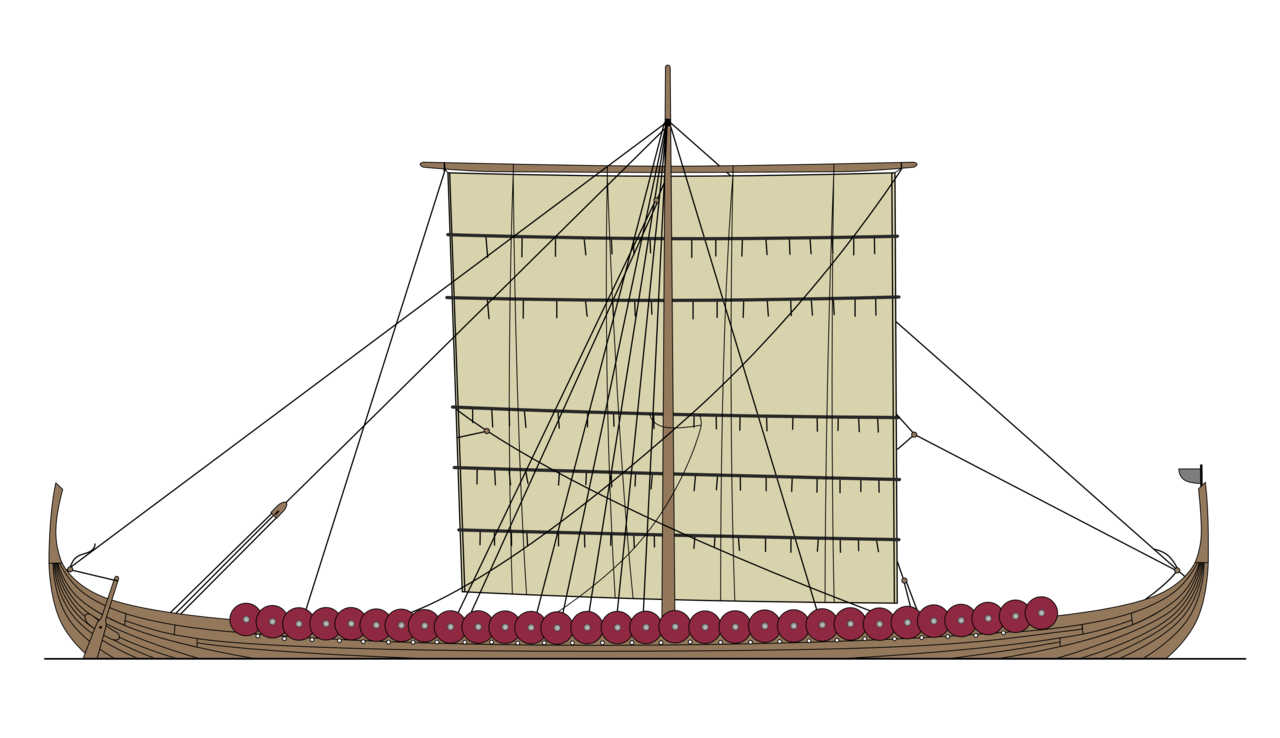
Clinker-built Norse warships used for raiding, exploration, and commerce.

Vyacheslav Kirillin · CC BY-SA 4.0
Longships (Old Norse: langskip) were long, clinker-built warships (Old Norse: herskip, Old Swedish: hærskip) propelled by oars and later also by sail, used by the Norse and surrounding Germanic tribes from at least the 4th century AD and throughout the Viking Age. They were part of the Nordic shipbuilding tradition, designed for speed and capable of carrying a large crew of warriors. Sometimes called 'dragonships' (Old Norse: drekaskip) due to the tradition of decorating the fore and aft ends with a raised dragonhead and tail, with the sail forming the dragon's wing, these vessels were central to Norse raiding, warfare, exploration, and commerce.
- type
- Warship
- period
- At least 4th century AD through Viking Age
- origin
- Scandinavia (Norse and surrounding Germanic tribes)
- known_for
- Clinker-built, oar and sail propulsion, dragonhead decoration, speed and troop transport
- largest_type
- Dragons (dreki)
- smaller_types
- Karve (karfi), snekke (snekkja), skeid (skeið)
Lore & Background
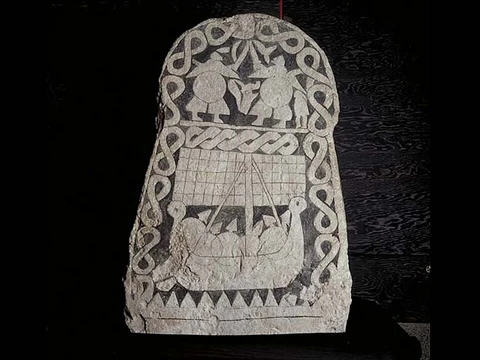
These features were subsequently adopted by other cultures, including the Anglo-Saxons, as seen in the 7th-century Sutton Hoo ship. Archaeological finds of longships from the 9th, 10th, and 11th centuries have been made in Denmark, Norway, and Germany, with motifs on Gotlandic picture stones dating to the 8th century or earlier. The principles of the longship's design continued to influence naval engineering for centuries, and Scandinavian boat-building traditions reflect their character to the present day.
Reader's Guide
The longship was a powerful naval weapon in its time and a highly valued possession. Archaeological finds show that Viking ships were not standardized; they varied from designer to designer and place to place, often having regional characteristics. For example, the choice of material was mostly dictated by regional forests, such as pine from Norway and Sweden, and oak from Denmark. Each longship had particular features adjusted to the natural conditions under which it was sailed. Under the leidang system, every section in the king's realm was required to build warships and provide men to crew them, allowing the king to quickly assemble a large and powerful war fleet. The main purpose of these warships was to land troops rather than to engage in combat at sea, and to swiftly carry as many warriors as possible to a scene of conflict. In the 10th century, longships would sometimes be tied together in offshore battles to form a steady platform for infantry warfare. The skills and methods employed in making longships are still used worldwide, often with modern adaptations.
Did You Know?
- The largest type of longship was called a 'dragon' (dreki), while smaller types included karve, snekke, and skeid.
- The earliest rowed true longship found is the Nydam ship, built in Denmark around 400 AD.
- Longships were sometimes called 'dragonships' by enemies such as the English because some had a dragon-shaped decoration atop the bowstem.
- The Hjortspring boat, dating to the 4th century BC, is the oldest find of a wooden plank-built ship in the Nordic countries.
Design & Construction
The longship was a slender, clinker-built vessel designed above all for speed and the capacity to carry a large warband. Propelled by oars and later supplemented by a woven-wool cloth sail, these vessels were constructed entirely from wood, with hulls adorned by carvings and decorative details. The most imposing class, known as dreki, bore raised dragonhead and dragon-tail fittings at bow and stern, giving the impression that the sail formed the creature's wing—a spectacle that terrified enemies and earned the ships the nickname "dragonships" among the English and other foes. Smaller variants carried names like karve, snekke, and skeid. No two longships were identical; builders tailored each hull to local conditions, selecting pine from Norwegian and Swedish forests or oak from Danish woodlands. This regional flexibility meant that the longship was never a single standardized design but rather a family of related vessels shaped by local timber, local skill, and local purpose.
Naval Power & the Viking Expansion
The longship was the engine of Norse overseas expansion. Under the leidang system, every district in a king's realm was obligated to build warships and furnish crews, enabling rapid assembly of formidable fleets. The primary tactical role was not sea battle but the swift landing of warriors onto undefended coastlines and river ports across continental Europe. During the ninth-century peak, massive flotillas penetrated the Rhine, Seine, and Loire. In the rarer instances of true naval combat, such as the Battle of Svolder, crews employed arrows, projectiles, and boarding actions; at other times, longships were lashed together offshore to create stable platforms for infantry fighting.
Archaeological Roots & Technological Evolution
The longship did not appear fully formed. Bronze Age petroglyphs in Sweden already depict long, animal-headed naval vessels, hinting at a deep Scandinavian tradition of building such craft. The Gotlandic picture stones, dating to the eighth century or earlier, carry motifs that further trace this lineage. These early examples established features that would be adopted by other cultures, including the Anglo-Saxons, as the seventh-century Sutton Hoo ship demonstrates. Physical longship remains from the ninth, tenth, and eleventh centuries have been recovered in Denmark, Norway, and Germany, confirming the vessel's sustained use across the Viking Age. The design was distinctly Norse; comparable clinker-built warships built by the Wends, a South Baltic Slavic people, were far smaller and shorter, underscoring the uniqueness of the Scandinavian tradition.
Legacy & Enduring Influence
The longship's influence on naval engineering stretched far beyond the Viking Age. The clinker-building technique pioneered in Scandinavia around 300 AD continued to shape ship construction for centuries, and the particular skills and methods used to build these vessels are still practiced worldwide, often adapted to modern materials and purposes. Scandinavian boat-building traditions to this day echo the character and appearance of the ancient longship. The broader maritime capabilities the Norse developed—shipbuilding, navigation, and seamanship—were underpinned by a thriving iron industry that exploited bog ore to produce tools for both shipyards and agriculture, alongside the seemingly unlimited timber of Norway's vast forests. Some scholars, including Julie Lund and Søren M. Sindbæk, point to a distinct warming trend in the eighth and ninth centuries as a climate impetus for expanded Norse seafaring, while Neil Price argues that raiding may have originated earlier and further east, in the Baltic region, as suggested by the Salme ship burials of around 750.
Common Misconceptions (Editorial)
Some believe longships were primarily sail-powered from their earliest use, but facts show they were originally propelled by oars, with sail added later. Another misconception is that the term "dragon ship" was a native Norse name; in fact, it was sometimes used by enemies like the English, and the Norse term was *drekaskip*, reflecting a decorative tradition rather than a universal label.
Why It Matters (Editorial)
The longship endures as a symbol of Norse ingenuity and ambition, representing a design so effective that it enabled raids, exploration, and trade across vast distances. Its influence on naval engineering and Scandinavian boat-building traditions shows how practical innovation can shape culture and history for centuries.
Gallery
Frequently Asked Questions
What is a Viking longship?
A longship (Old Norse: langskip) was a clinker-built war vessel used by Norse and surrounding Germanic peoples from at least the 4th century AD through the Viking Age. It combined oar and sail propulsion to achieve remarkable speed while still carrying a full crew of warriors.
Why were longships nicknamed 'dragonships'?
The name drekaskip came from the decorative tradition of mounting a raised dragonhead at the bow and a dragon tail at the stern. When the sail was raised, it was said to form the creature's wing, giving the whole vessel a dragon-like silhouette.
What types and sizes of longships existed?
The largest class was the dreki, while smaller variants included the karve (karfi), snekke (snekkja), and skeid (skeið). All shared the clinker-built hull and dual oar-and-sail propulsion that defined the Nordic shipbuilding tradition.
What were longships primarily used for?
They served as versatile platforms for raiding, exploration, and even commerce across the North Sea and beyond. Their shallow draft and speed made them ideal for striking coastal targets and navigating rivers.
What made longship construction distinctive?
The clinker-built technique overlapped planks to create a flexible yet sturdy hull, a hallmark of Scandinavian boatbuilding. This design, paired with the balance of oars and a single square sail, gave the vessel both maneuverability in tight waters and speed on open water.
More in The Viking Age 1-21
Spotted an error? Know more?
This is a living reference — every entry is fact-audited, and reader corrections feed straight into our audit queue. Suggest an edit · See this site's audit record