Lindisfarne
Tidal island and historic centre of Celtic Christianity.

Michael Garlick · CC BY-SA 2.0
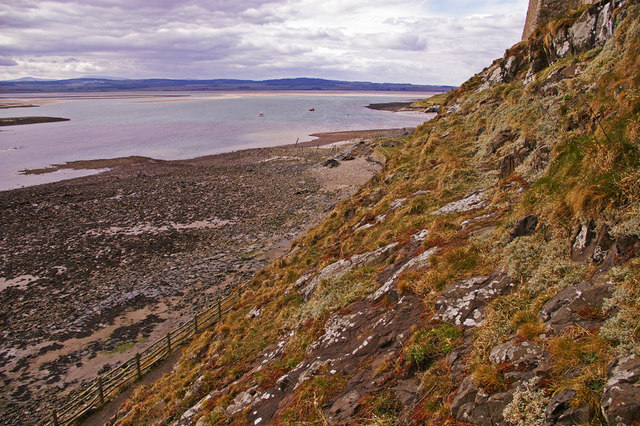
Lindisfarne, also known as Holy Island, is a tidal island off the northeast coast of England, constituting the civil parish of Holy Island in Northumberland. It was an important centre of Celtic Christianity under Saints Aidan, Cuthbert, Eadfrith, and Eadberht of Lindisfarne, and its monastery was a key site for the Christianisation of Northumbria.
- Location
- Northeast coast of England
- Area
- Approximately 1,000 acres (400 hectares) at high tide
- Notable Saints
- Aidan, Cuthbert, Eadfrith, Eadberht
- Civil Parish
- Holy Island
- Known for
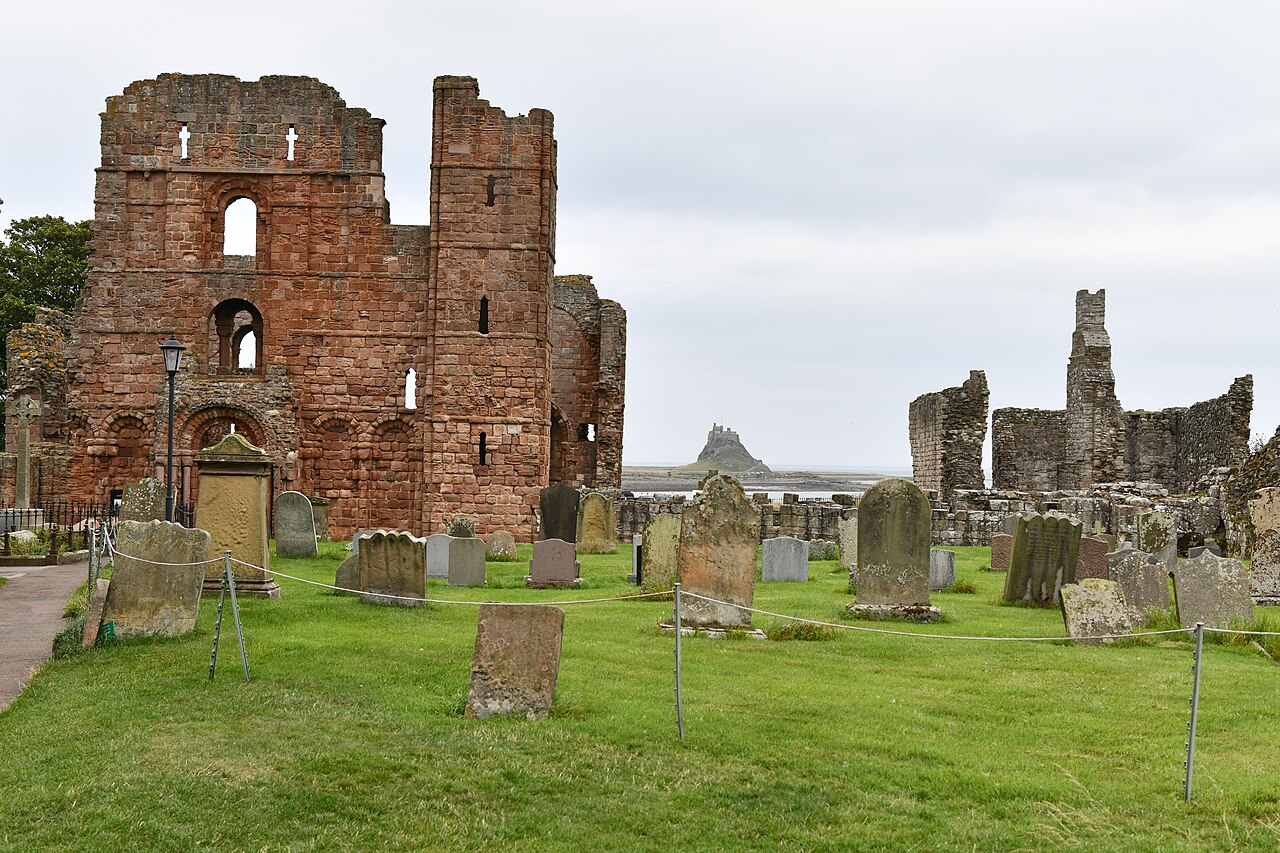
- Celtic Christianity, Viking raids, Lindisfarne Priory, Lindisfarne Castle
Lore & Background
Lindisfarne's recorded history begins in the 6th century AD. It became the seat of a bishopric in Northumbria for nearly thirty years and a centre for evangelism. The monastery was destroyed during Viking invasions but re-established as a priory after the Norman Conquest.
Reader's Guide
Lindisfarne holds significance as a major early Christian site in northern England, associated with the spread of Celtic Christianity and the production of illuminated manuscripts such as the Lindisfarne Gospels. Its monastery, though ruined, remains a focus for pilgrimage and tourism. The island's dual name—Lindisfarne for the pre-conquest monastic settlement and Holy Island for the civil parish—reflects its layered history. The causeway, accessible only at low tide, adds to its character and challenges, with frequent rescues of stranded vehicles. The island is part of the Northumberland Coast National Landscape and is a hotspot for historical tourism and bird watching, with the Lindisfarne National Nature Reserve protecting its dunes and intertidal habitats.
Did You Know?
- The name Lindisfarne may derive from Old English 'Lindisfarena' or from Latin 'Medicata Insula' meaning 'Healing Island'.
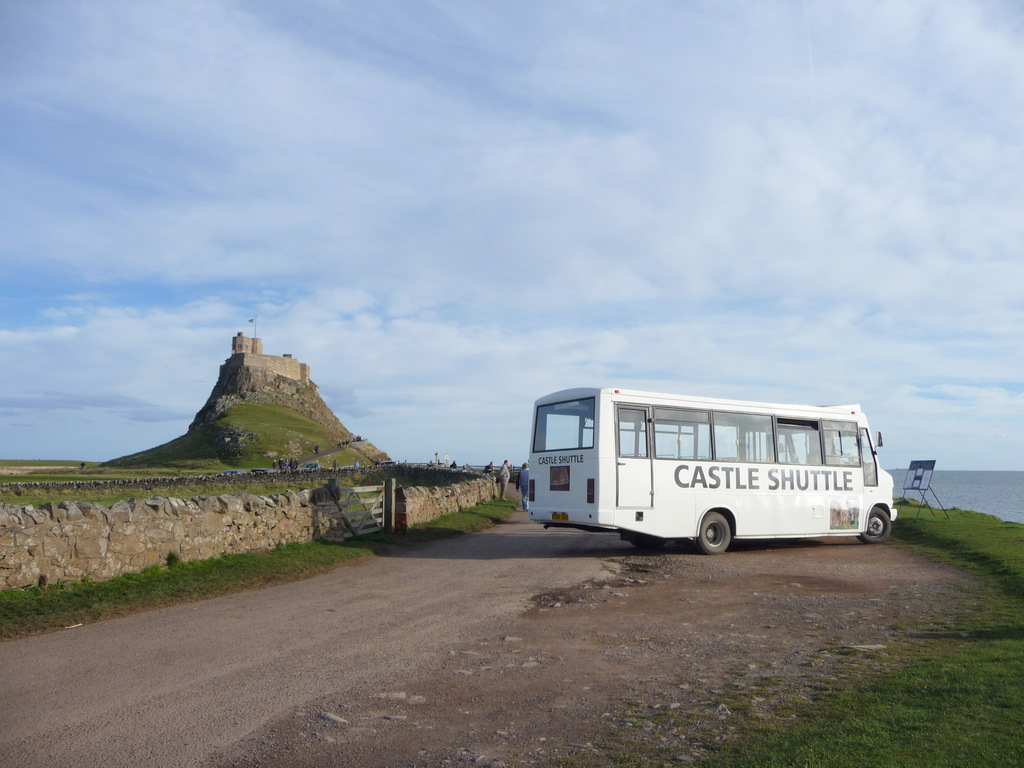
- The island is accessible at low tide by a modern causeway and an ancient pilgrims' path, both covered at high tide.
- About one vehicle each month is stranded on the causeway, requiring rescue by HM Coastguard or RNLI lifeboat.
- The monastery was described as an abbey by Bede but after the Norman Conquest it was described as a priory.
The Monastery Before the Storm
Situated on a small island off England's northeastern coast, it attracted scholars, monks, and pilgrims who came to study, pray, and seek spiritual guidance. Over more than a century, the community accumulated wealth, sacred relics, and manuscripts that made it a beacon of faith in the region. Yet this very isolation—its remoteness from the mainland, its lack of fortifications, its dependence on the rhythm of prayer rather than warfare—rendered it extraordinarily vulnerable to seafaring attackers. The monks had no walls, no garrison, no expectation that the sea which carried visitors could also carry destruction. By the late eighth century, the monastery stood as a symbol of what Christian Europe believed to be inviolable: a sanctuary set apart from the violence of the world. That belief was about to be shattered beyond repair.
The Day of Terror
On the morning of 8 June 793, Norse raiders came ashore in shallow-draft longships that could slip through coastal waters with ease, catching the monastic community completely off guard. What followed was a scene of savage violence that contemporaries struggled to even describe. Monks were hacked down, hurled into the sea to drown, or dragged away into slavery. The church itself was stripped of its treasures, and the sacred relics that had drawn pilgrims for generations were trampled and desecrated. Alcuin, a Northumbrian scholar, later wrote of the horror in words that still carry weight: he spoke of heathens pouring the blood of saints around the altar and trampling holy bodies within God's temple. The Anglo-Saxon Chronicle recorded that in the days before the attack, enormous sheets of light had streaked across the sky and fiery dragons had flown overhead—omens that the community interpreted as divine warnings. For Christian Europe, the raid was not merely a military event; it was a theological crisis, a sign that God's wrath had fallen upon the faithful.
The Machinery Behind the Attack
The assault on Lindisfarne was not a random act of piracy but the product of decades of evolving Scandinavian maritime capability. By the late eighth century, Norse shipbuilders had perfected the longship—fast, maneuverable, and capable of carrying large numbers of warriors across open seas or up shallow rivers. This technology gave raiders the ability to strike coastal targets with startling speed and vanish before any response could be mounted. The monks of Lindisfarne, living on a remote island with no defences against seafaring attackers, represented exactly the kind of target these vessels were designed to exploit: wealthy, undefended, and accessible only by water. Earlier incursions along the Irish Sea and northern French coasts had already established the pattern. No single leader of the 793 raid is named in the sources, but the operation fits squarely within a broader strategy of targeting rich Christian sites with superior naval power. The raiders' intimate knowledge of coastal geography allowed them to approach from an angle the community had never considered a threat, turning the very sea that sustained the monastery into the instrument of its destruction.
Echoes Across Centuries
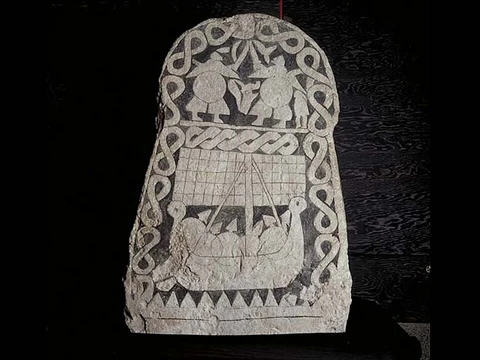
The shock of 793 rippled far beyond the island's shores. Monasteries across Christian Europe, long regarded as inviolable sanctuaries, were suddenly exposed as soft targets, and the psychological blow prompted a rethinking of coastal defence strategies throughout Anglo-Saxon England. In the immediate aftermath, the Lindisfarne community refused to be erased. Artifacts such as the Domesday stone bear witness to their determination to record the event and continue their faith. Yet the pressure of repeated Viking incursions proved ultimately insurmountable; by 875, the monks were forced to abandon the island entirely, carrying with them the cherished relics of St. Cuthbert. Still, the spiritual life of Lindisfarne was not extinguished. A new priory was eventually built, restoring the island's role as a place of worship. In the thirteenth and fourteenth centuries, the monastery faced fresh threats amid the conflicts between Scots and English, but its story endured. The raid that began the Viking Age also, paradoxically, cemented Lindisfarne's place in memory as a symbol of faith tested by violence and ultimately sustained.
Common Misconceptions (Editorial)
- Some may assume Lindisfarne is primarily known as a Viking raid site, but its recorded history begins in the 6th century AD, and it was a major center of Celtic Christianity under saints like Aidan and Cuthbert long before the Viking attacks. - Others might think the monastery was always called a priory, but according to Bede it was described as an abbey; it was only after the Norman Conquest that it was re-established as a priory.
Why It Matters (Editorial)
Lindisfarne endures as a powerful symbol of both spiritual devotion and historical vulnerability, where the same site that nurtured early Christian evangelism also witnessed the first major Viking raid on England. Its continued significance lies in how it embodies the resilience of faith and community against invasion and change, a story that still draws pilgrims and visitors to its tidal shores today.
Gallery
Frequently Asked Questions
Why did Vikings target Lindisfarne?
The island's monastery was a wealthy, prominent hub for spreading Christianity across Northumbria, making it an attractive and symbolically powerful raid target. Its relative isolation as a tidal island also made it a high-visibility prize for early seaborne attackers.
Which saints are most associated with Lindisfarne?
Saints Aidan, Cuthbert, Eadfrith, and Eadberht of Lindisfarne are the key religious figures tied to the island's monastic community. Their leadership and scholarship made the site a cornerstone of early English Christianity.
How does Lindisfarne's tidal geography work?
The island is cut off from the mainland by the sea at high tide and only reachable via causeways when the water recedes. This natural barrier gave the monastic community a degree of physical security and a sense of spiritual separation.
What can you still see at Lindisfarne today?
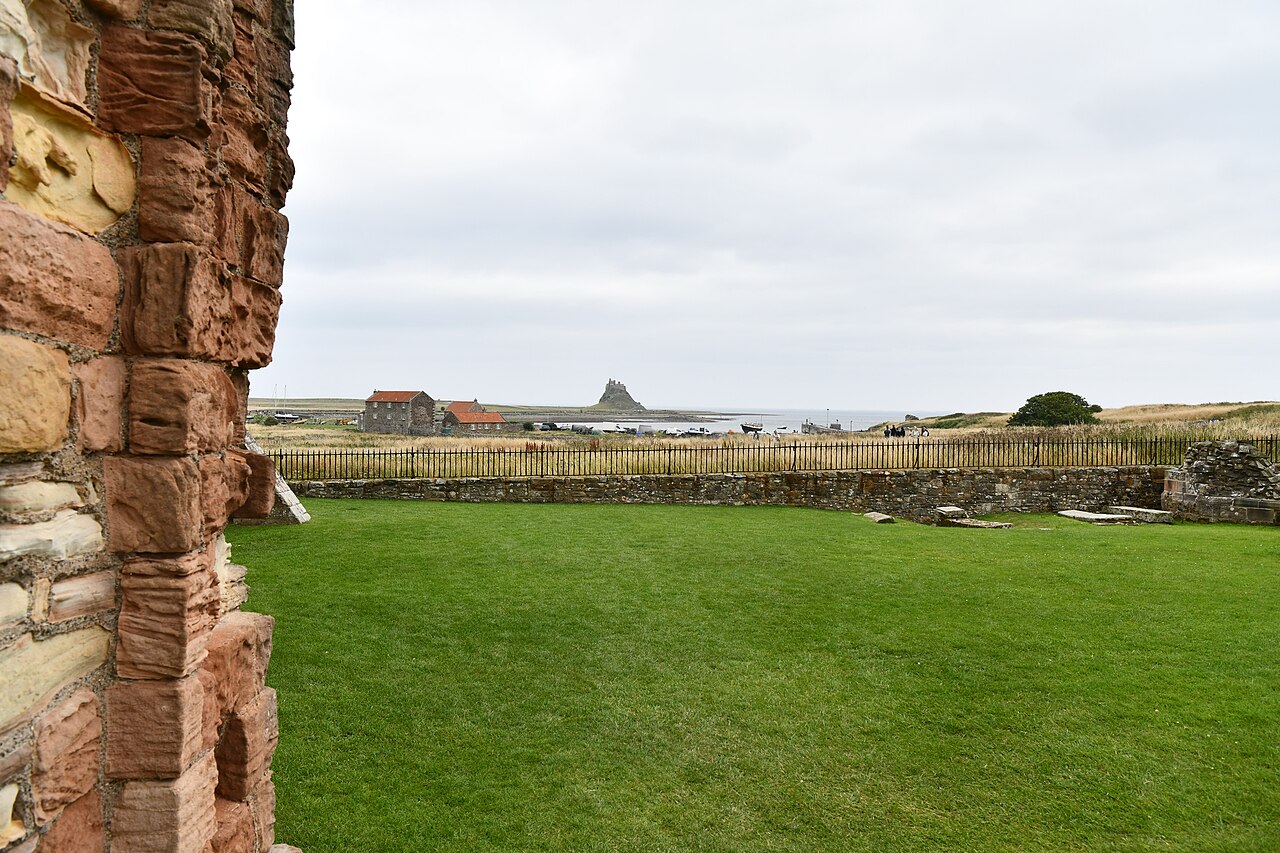
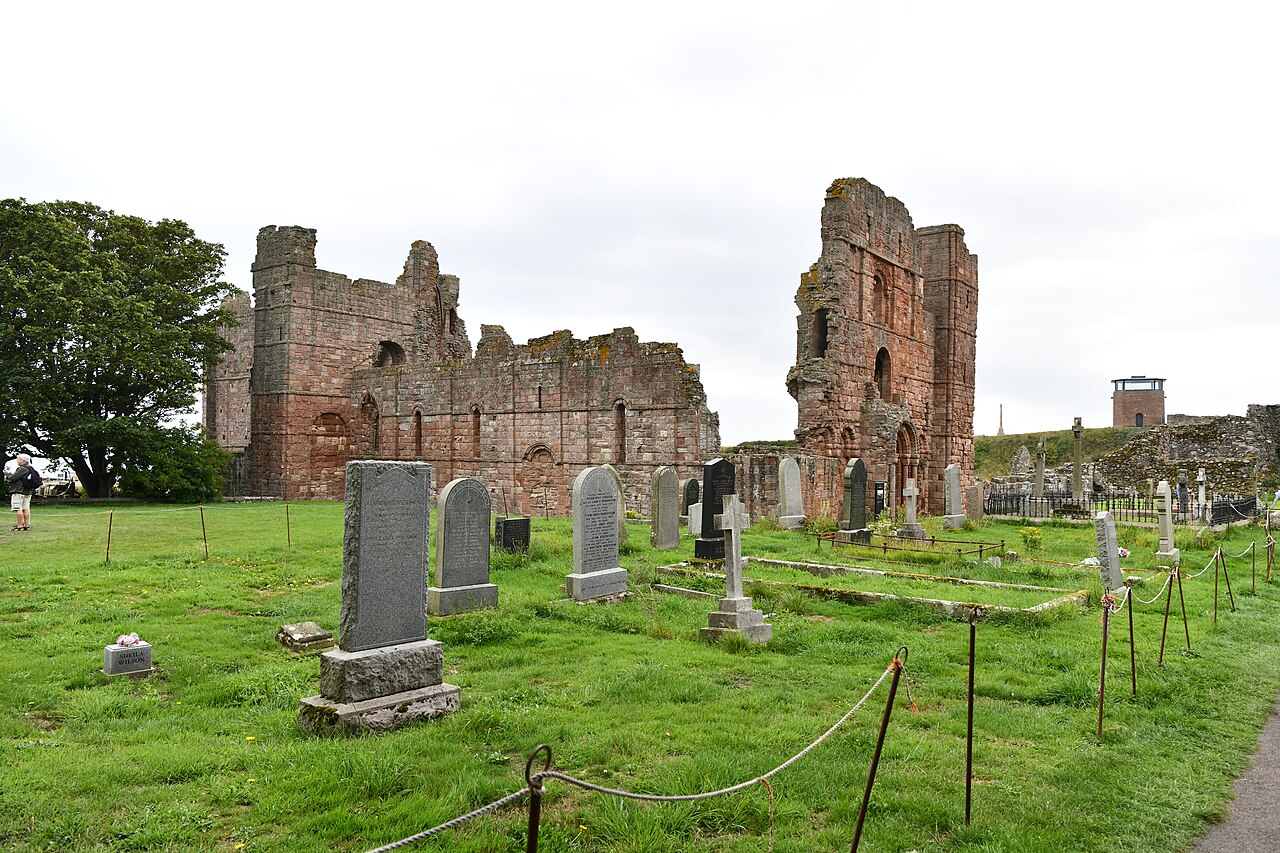
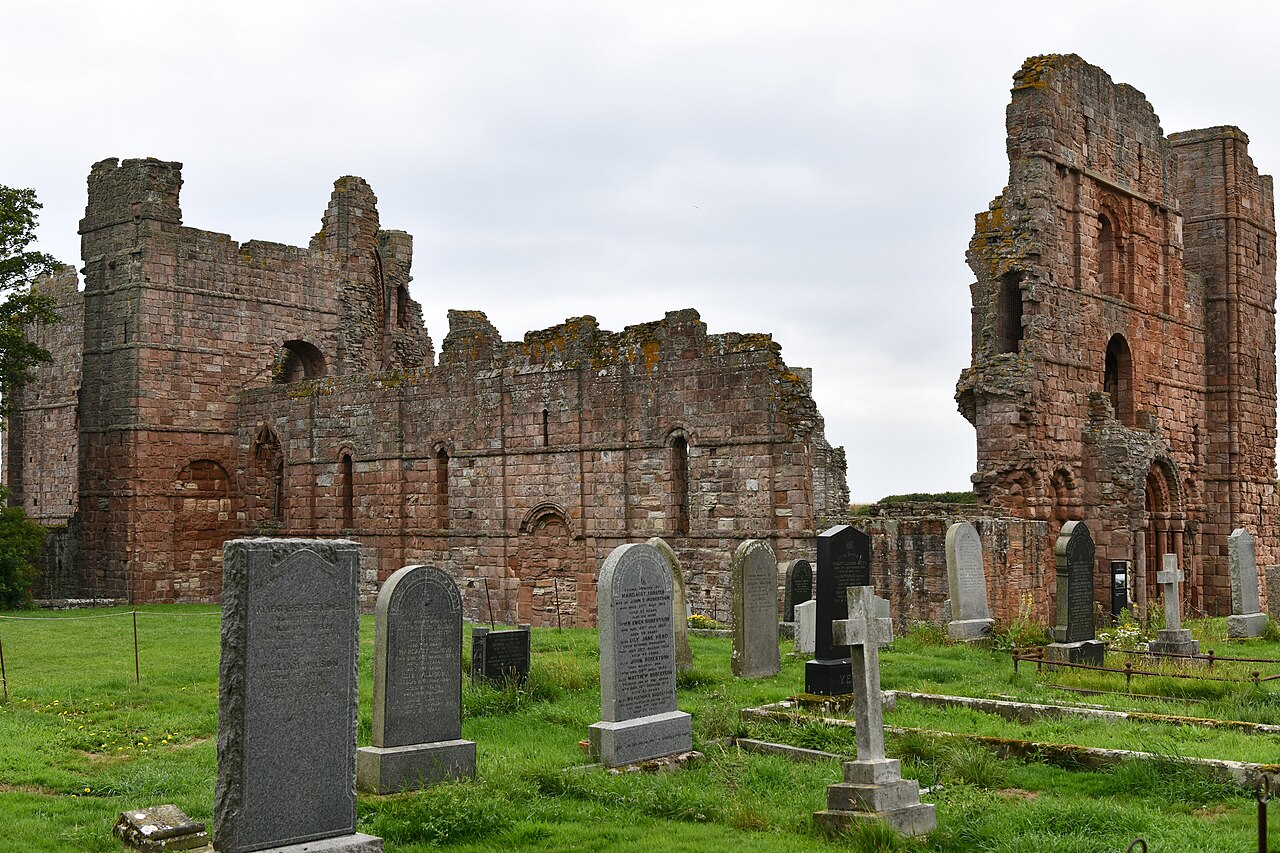
Lindisfarne Priory and Lindisfarne Castle are the main surviving structures on the island. Together they mark the site's dual heritage as both a centre of Celtic Christian learning and a flashpoint in early Viking-era conflict.
More in The Viking Age 1-21
Spotted an error? Know more?
This is a living reference — every entry is fact-audited, and reader corrections feed straight into our audit queue. Suggest an edit · See this site's audit record